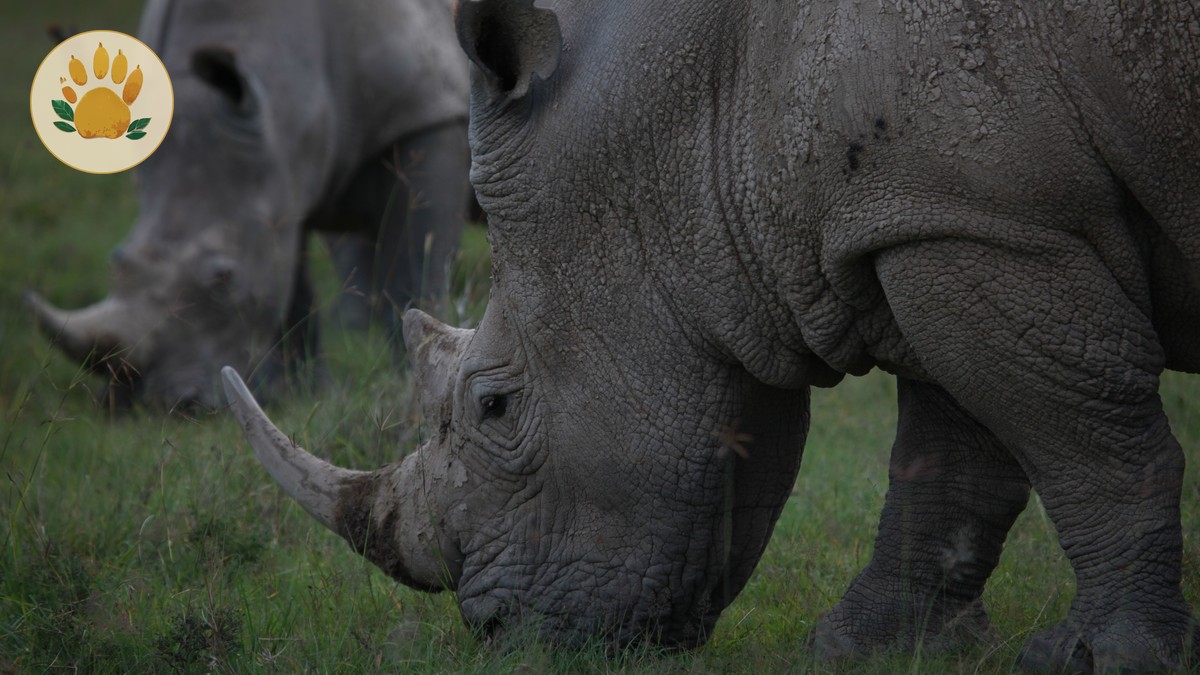
Most Kenya safari itineraries start with the Masai Mara. This one turns north instead. The route heads for the Laikipia plateau, where private conservancies do the real rhino work. Then it drops east to Samburu National Reserve along the Ewaso Ng’iro river. This northern Kenya rhino safari itinerary runs seven days, with three nights at Ol Pejeta and three in Samburu. It was built with photographers in mind, but the pace suits anyone who prefers looking to rushing.
How many days do you need for a northern Kenya rhino safari itinerary?
Plan five days for a focused rhino trip or seven days for a fuller northern Kenya circuit. Spend two nights at Ol Pejeta, two nights in Samburu, and use the fifth day for transfers. Add Lewa, Meru, or a second Ol Pejeta night only when your budget and travel time allow. A seven-day version works best with one internal flight.
Five days gives one solid morning in each reserve, with little padding. Seven days is the honest middle point: two complete mornings at Ol Pejeta and two in Samburu, with arrival and departure kept separate. That margin matters when the light is soft and the rhinos are still moving.
| Itinerary | Ol Pejeta nights | Samburu nights | What it protects |
|---|---|---|---|
| 5-day quick rhino safari | 2 | 2 | one good morning in each reserve |
| 7-day balanced route | 3 | 3 | two good mornings in each reserve |
If you have nine days, add a Lewa Wildlife Conservancy extension after Ol Pejeta. Lewa runs black and white rhino monitoring with far fewer vehicles. A SafariPure guide can shape the route around flight times, often a smarter fix than cutting activities.
What does a 7-day Ol Pejeta and Samburu route look like?
A practical seven-day route is Nairobi to Ol Pejeta on Day 1, two full days at Ol Pejeta on Days 2 and 3, transfer to Samburu on Day 4, two game-drive days in Samburu on Days 5 and 6, and return to Nairobi on Day 7. This protects two prime wildlife mornings in both destinations.
Day 1: Nairobi to Ol Pejeta, roughly 250 km and about four hours. Arrive for lunch, then take a late-afternoon game drive near the water pans.
Day 2: Ol Pejeta. Start at first light, when black rhinos often feed in open grassland. Use the midday heat for the Sweetwaters Chimpanzee Sanctuary or a slow break at camp.
Day 3: Ol Pejeta. Book the northern white rhino visit for this afternoon. The morning can go to guided rhino tracking with rangers, or a second quiet survey of the conservancy.
Day 4: Ol Pejeta to Samburu. Take a short morning drive, then transfer via Nanyuki and Isiolo, roughly three and a half to four and a half hours. Arrive in time for an evening game drive along the Ewaso Ng’iro.
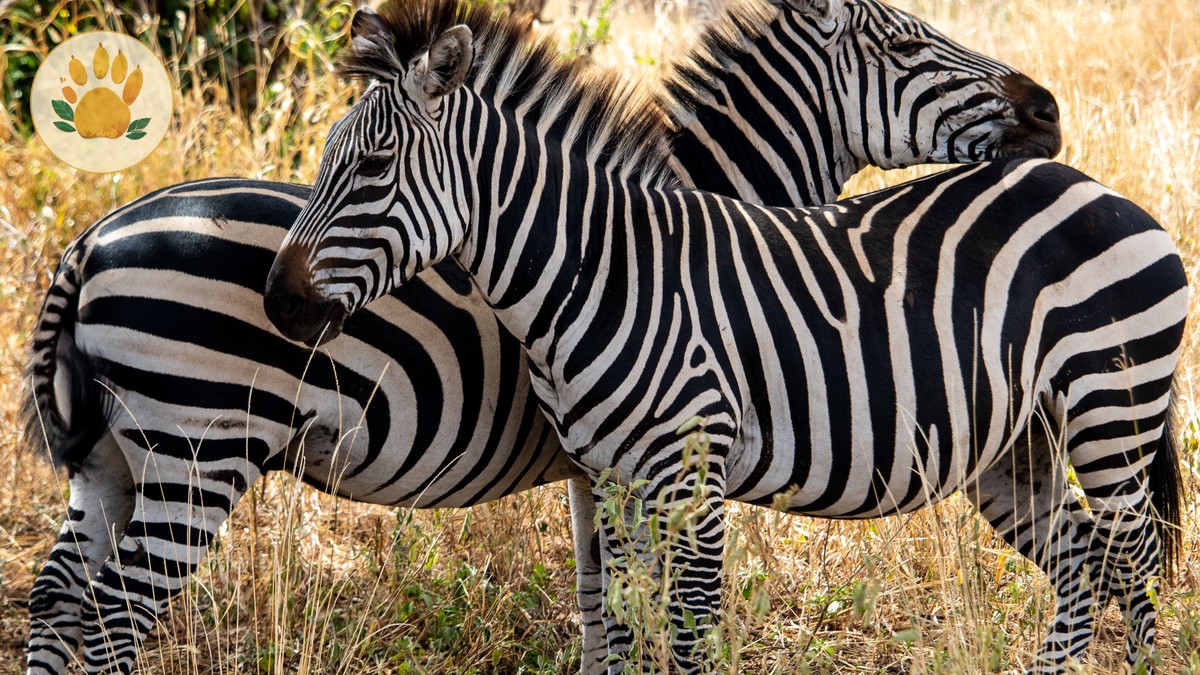
Day 5: Samburu. Spend a full day with the northern specialists. Grevy’s zebra, reticulated giraffe, beisa oryx and Somali ostrich all live within easy reach of the river. This is where a Samburu safari itinerary earns its keep.
Day 6: Samburu. Repeat the early start. Leopards favor the cool hours; elephants come to the river in the afternoon.
Day 7: Samburu to Nairobi. Take an early drive, then breakfast and the road home, or fly from the Samburu airstrip for a short final morning.
Base yourself at Sweetwaters Serena Camp or Ol Pejeta Bush Camp. In Samburu, Elephant Bedroom Camp and Ashnil Samburu Camp both sit close to reliable game-viewing roads.
Where in northern Kenya should you go for rhinos: Ol Pejeta or Lewa?
Ol Pejeta is the most dependable base for northern Kenya rhino sightings because it protects a large black rhino population and houses Najin and Fatu, the last two northern white rhinos. Lewa is a strong alternative for black and white rhinos, while Samburu is better for rare dry-country species than for rhino viewing.
Ol Pejeta is the only place in Kenya where the last two northern white rhinos live. Watching Najin and Fatu is a conservation moment, not a normal safari sighting. Lewa gives classic black and white rhino viewing across open savanna. Samburu is not a serious rhino destination; use it for the dry-country mammals the Mara lacks.
| Destination | Rhino strength | Signature activity | Fee model |
|---|---|---|---|
| Ol Pejeta Conservancy | black rhinos plus the last two northern white rhinos | northern white rhino visit, rhino tracking | private conservancy fee bundled into camp rate, roughly USD 80-150 per person per night |
| Lewa Wildlife Conservancy | black and white rhino populations | rhino monitoring with rangers | same private-conservancy model, roughly USD 80-150 per person per night |
| Samburu National Reserve | occasional at best | no rhino-specific experience | entrance roughly USD 60-80 per adult per day |
The honest plan is Ol Pejeta or Lewa for rhinos and Samburu for scenery and rare northern wildlife. Most first-time travelers should pick Ol Pejeta because it also offers the northern white rhino experience.
What Ol Pejeta rhino experiences and conservation activities should you book?
At Ol Pejeta, combine ordinary game drives with a booked northern white rhino visit, a black rhino encounter, and the Sweetwaters Chimpanzee Sanctuary. Depending on availability, travelers can also add guided rhino tracking, a conservation tour, a night drive, or a visit to ranger and monitoring operations.
The northern white rhino visit must be arranged in advance. Ol Pejeta also runs a black rhino encounter and guided rhino tracking, each with separate fees and limited daily places. Confirm at booking what is included.
Night drives are worth adding on private land, since Ol Pejeta allows them while national parks do not. Photographers should ask for an early slot at the northern white rhino enclosure, when the light is softer and the vehicle can sit with the engine off.
How do you get from Nairobi to Ol Pejeta and onward to Samburu?
The Nairobi-to-Ol Pejeta drive takes about four hours, while flying from Wilson Airport to Nanyuki is faster but adds air transfer costs. Ol Pejeta to Samburu is a substantial overland transfer, so travelers with limited time should fly between sectors where possible; a road itinerary suits visitors who value scenery over speed.
| Segment | Road option | Air option | Trade-off |
|---|---|---|---|
| Nairobi to Ol Pejeta | roughly 250 km, about 4 hours via Thika and Nanyuki | Wilson to Nanyuki flight of about 45 to 55 minutes, then a road transfer into the conservancy | Driving shows the Laikipia rise; flying saves most of a day |
| Ol Pejeta to Samburu | roughly 150 to 200 km, about 3.5 to 4.5 hours via Nanyuki and Isiolo | no practical scheduled direct flight | The road transfer belongs on Day 4, with an evening drive at the end |
| Samburu to Nairobi | roughly 320 to 350 km, about 5.5 to 6.5 hours | scheduled light aircraft from Samburu airstrip to Wilson | A flight turns Day 7 into a morning; the road saves money |
If your whole trip is short, a fly-in version helps. Our Kenya safari itinerary without long drives explains how to trim the same Ol Pejeta and Samburu route into fewer road hours.
What does a northern Kenya rhino safari cost in 2026?
A 7-day northern Kenya rhino safari itinerary in a mid-range camp costs roughly USD 2,500 to 4,000 per person in 2026. That price covers camp, guided drives, meals, vehicle use, and core conservancy fees. International flights, tips, the northern white rhino visit, and night drives usually cost extra, so price each line separately before you book.
Ask for a quote that separates accommodation, conservancy fees, vehicle and guide, meals, transfers, flights, and conservation activities. It should show the cost per person by room and season, confirm whether the northern white rhino visit is included, and list optional night drives or tracking separately. Samburu’s entrance fee runs roughly USD 60 to 80 per adult per day, and private conservancy fees at Ol Pejeta or Lewa usually land between USD 80 and 150 per person per night. Treat these figures as planning tools, not fixed invoices.
If you are costing rooms for several generations, per-person math works differently. Our guide to planning a multi-generational Kenya safari explains where the costs split and which camps suit mixed ages best.
When is the best time for rhino sightings and birdlife in northern Kenya?
Rhinos can be seen year-round in Ol Pejeta and Lewa, so timing is usually driven by weather, road conditions, availability, and budget rather than migration. Dry periods often make wildlife easier to locate around water, while green-season travel can offer lower rates and fewer visitors; confirm activity schedules before booking.
June to October is dependable but busy. January and February give similar dry conditions with less lodge pressure. November and April may bring rain, but reward patient photographers with lush cover and migrant birds. Birders should read our Kenya safari in November for birding guide before choosing dates. Rhino sightings do not follow a calendar; your guide’s route planning matters more than the month.
The SafariPure Difference
SafariPure plans northern Kenya as a sequence of mornings, not a list of parks. Every safari vehicle has a pop-up roof, beanbags for the window sills, and charging points at each seat. Guides read animal behavior instead of chasing a species tally. When a black rhino stands in golden grass, the rule is patience.
SafariPure quotes separate accommodation, guiding, conservancy fees, flights and optional experiences, so you will not find a surprise rhino-tracking fee in a final invoice. That is why a SafariPure itinerary looks shorter on paper than most: it skips visiting every conservancy in the north and gives you time to see the rhinos you came for.
Which route fits you, and how should you plan it?
Use the five-day version when a short break is all your calendar allows. Use the full seven-day route for the best balance of rhino time, northern wildlife and sane road days. Push to nine days with Lewa if you want exclusivity and clean views of both rhino species without vehicle queues.
A northern Kenya rhino safari is a set of decisions about light, pace and price, not a checklist. SafariPure can quote the same seven-day route by road or with one internal flight, in a mid-range or luxury camp. When you are ready to turn this itinerary into dates, send a note through the SafariPure contact page or start from the northern Kenya rhino safari tour page.